
Bat Removal and Guano Cleanup
A service Critter Control provides.
Serving Central and Southern Mississippi
(601) 745-2193
Animal facts · Central Mississippi
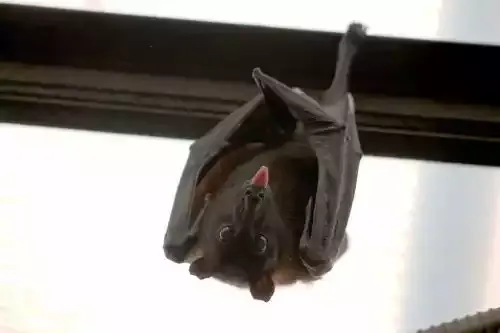
What to know about bats in Mississippi, the problems they cause around homes and businesses, and when to call Critter Control of Central Mississippi.
About bats
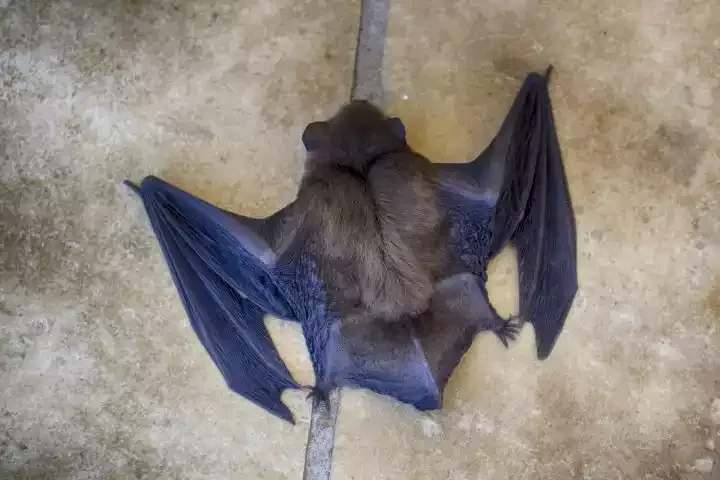
There are over 40 species of bats in the United States and nearly 1,000 species worldwide. Although they often get a bad reputation and are sometimes referred to as "flying rats," bats provide valuable ecological benefits. Unlike rats, which are known for spreading diseases, bats help control pest populations by feeding on night-flying insects like mosquitoes, beetles, and moths. This makes them beneficial to humans and the environment.
While some species feed on nectar, fruit, or even small animals and fish, the majority of bats are insectivores. They play a crucial role in keeping insect populations in check, which can be particularly advantageous around homes.
Getting help
If bats invade your property, it’s essential to contact professional wildlife control specialists promptly. Removing bats reduces the risk of diseases such as rabies, Hantavirus, and parasitic infestations, as well as damage caused by bat droppings. After removal, wildlife experts can assist in preventing future bat infestations by sealing entry points and providing long-term solutions.
Video

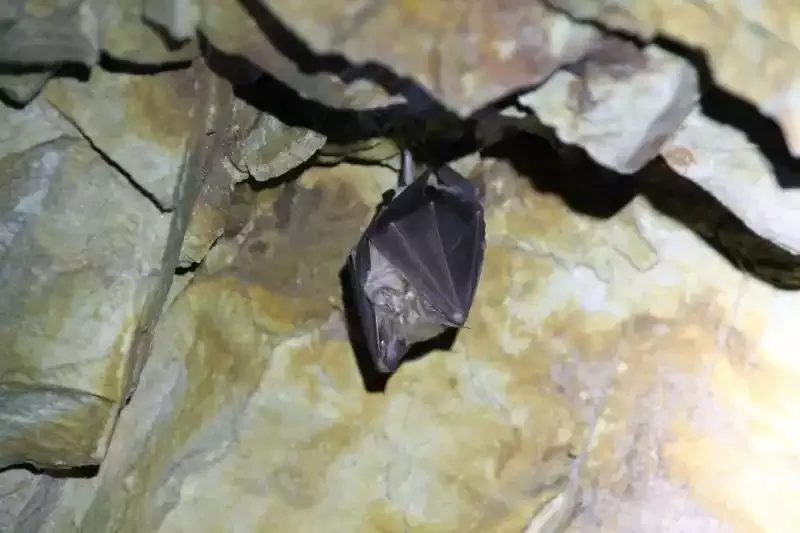
Bats squeeze through gaps as narrow as 6 millimeters. Sealing those gaps is what keeps them out.

Humane bat exclusion: bats safely removed, entry points sealed, future infestations prevented.
Read next
A service Critter Control provides.
A service Critter Control provides.
Critter Control of Central Mississippi
Tell us what you are hearing or seeing. We identify the animal, remove it humanely, and seal the way in.