
Commercial Wildlife Control
A service Critter Control provides.
Serving Central and Southern Mississippi
(601) 745-2193
Animal facts · Central Mississippi
What to know about beavers in Mississippi, the problems they cause around homes and businesses, and when to call Critter Control of Central Mississippi.
About beavers
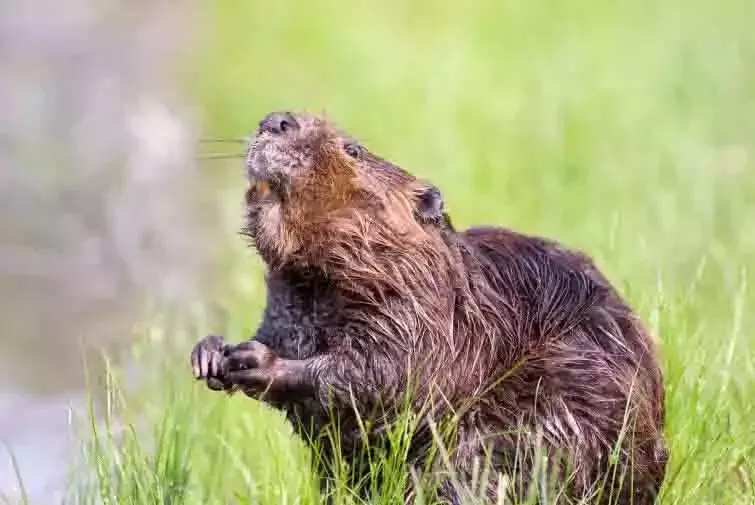
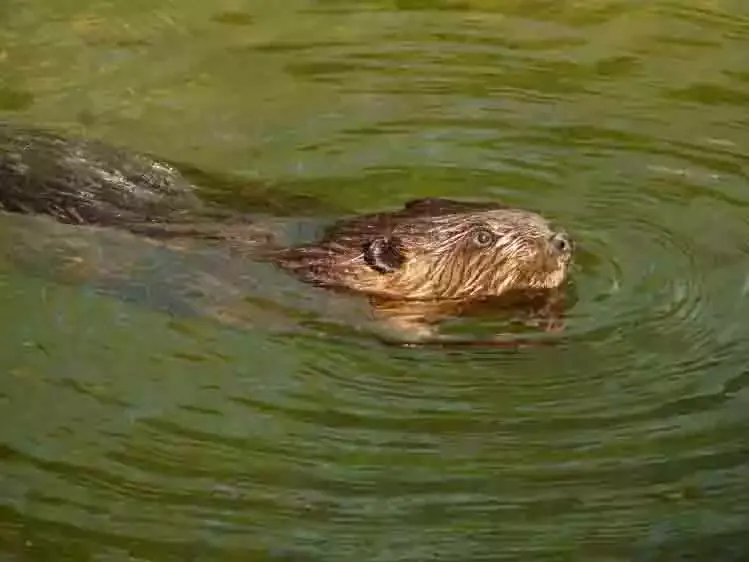
Beavers, North America’s largest rodent, are exceptional engineers, second only to humans in their ability to modify and shape landscapes. By building dams and lodges, they create wetland ecosystems that offer various ecological benefits, such as raising water tables, replenishing aquifers, and creating habitats for numerous species. Beavers are monogamous, mating for life and raising their young, known as kits, within underwater lodges.
For those living near water sources, signs of beaver activity—such as tracks and chewed trees—are common. Beavers leave distinctive prints, often visible in muddy areas alongside rivers, streams, and marshes. These tracks are a clear indicator of their presence on the property.
To manage beaver populations, residents can plant vegetation that is not part of the beaver's diet. While trapping is another option, it can be dangerous and requires experience for proper execution. For professional assistance in identifying beaver tracks and safely removing nuisance wildlife, Critter Control provides expert services.
Getting help
By taking the right precautions, such as managing food sources and seeking professional help, homeowners can reduce the likelihood of beaver damage on their property while coexisting with these important ecosystem engineers.
Read next
A service Critter Control provides.
Critter Control of Central Mississippi
Tell us what you are hearing or seeing. We identify the animal, remove it humanely, and seal the way in.