
Residential Wildlife Control
A service Critter Control provides.
Serving Central and Southern Mississippi
(601) 745-2193
Animal facts · Central Mississippi
What to know about flying squirrels in Mississippi, the problems they cause around homes and businesses, and when to call Critter Control of Central Mississippi.
About flying squirrels
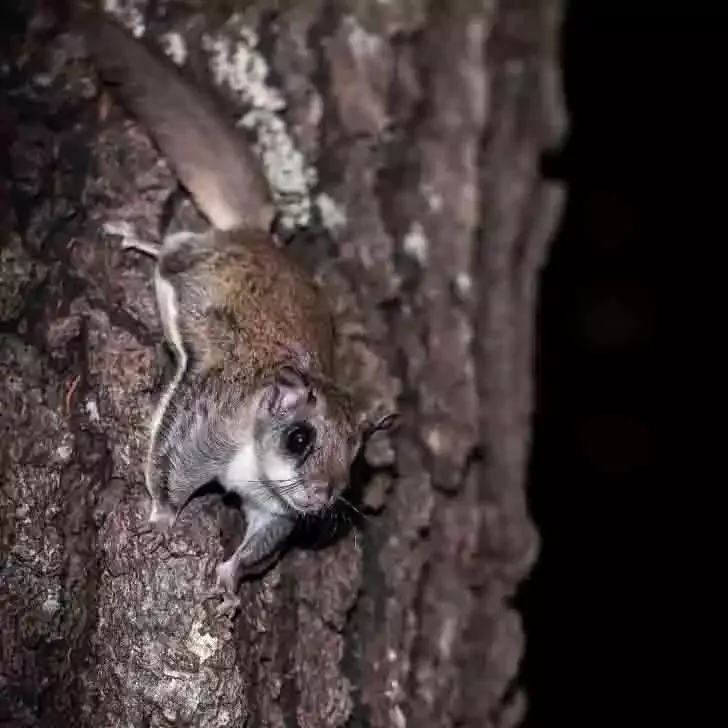
Flying squirrels are small, nocturnal tree squirrels that possess the ability to glide from perch to perch using webbed flaps of skin, which extend along the sides of their bellies between their hands and feet. The omnivorous rodents live in trees and sometimes eat bird eggs and small bugs like moths and beetles in addition to their regular diet of nuts, berries, and fruit.
Flying squirrel droppings look like little pellets. They are typically brown or black in color and may be moist if fresh. Since flying squirrel droppings are linked to the spread of typhus, which causes headaches, fevers, and rashes, individuals should be very cautious when they find the pests' droppings. Additionally, the feces stain walls, floors, and personal belongings.
Getting help
Typically, when property owners find flying squirrel droppings in or around homes, infestations of the pest are present. Flying squirrels often move into attics or wall voids to raise their young and cause several issues by spreading diseases, gnawing on electrical wiring, making sounds throughout the night, and letting their droppings accumulate. Once individuals suspect flying squirrels are present, they should contact Critter Control. Our technicians remove infestations as quickly as possible.
Read next
A service Critter Control provides.
A service Critter Control provides.
Critter Control of Central Mississippi
Tell us what you are hearing or seeing. We identify the animal, remove it humanely, and seal the way in.